







Search Results for: Measuring Spoon
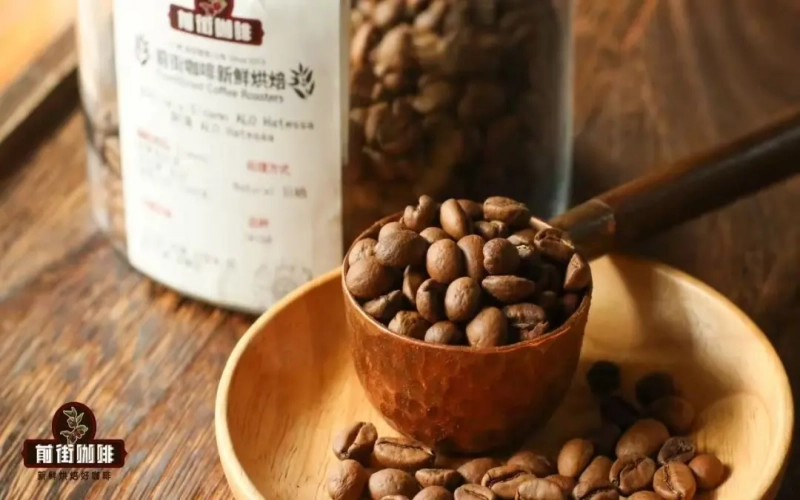
Measurement in Pour-Over and Espresso: Why a Digital Scale Beats a Measuring Spoon, and How Coffee-to-Water Ratio Affects Strength
In coffee brewing, the choice of measuring tools may seem like a minor matter, yet it directly affects consistency in the cup. A measuring spoon is convenient, but it measures volume rather than weight; due to differences in variety, cultivation, and roasting, the same level spoonful of different coffee beans may scoop out 9g or 11g, an error large enough to change the direction of the flavor. Front Street Coffee once conducted an experiment with Geisha Village Red Label Geisha: with water volume and other parameters unchanged, adjusting the dose by just 1g produced noticeable differences in concentration and extraction yield. This article will use experimental data to explain why electronic scales have become the first choice of coffee shops, and to show why measurement accuracy must be even higher under pressurized espresso extraction. [more…]
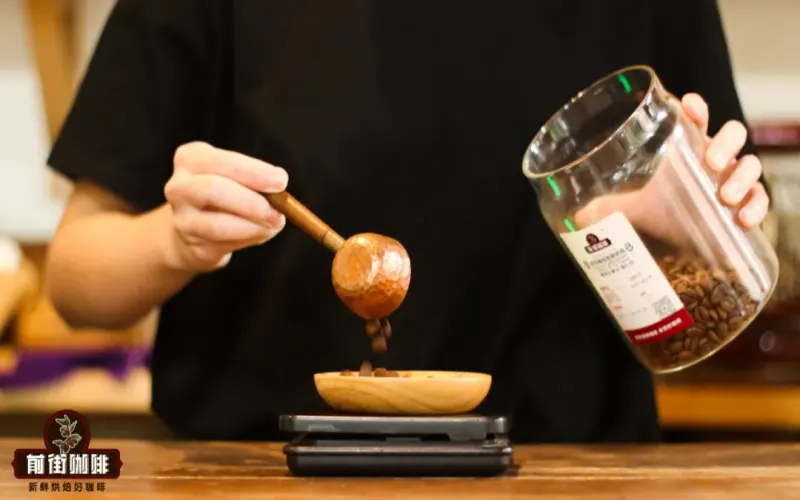
Do pour-over and espresso need a scale? Analyzing the necessity of precise weighing from dose to yield
Many coffee enthusiasts wonder when they see baristas using electronic scales in cafés: does making a cup of coffee really require such fuss? Couldn't you, like an experienced chef, just eyeball it or use a measuring spoon or cup and still brew good coffee? An electronic scale is indeed not an absolute necessity for making coffee, but eyeballing and measuring spoons have obvious inconsistencies. This article, based on actual tests at Front Street Coffee, first uses measuring spoons as an example to reveal that dark-roasted and light-roasted beans can differ by several grams in weight at the same volume, then explains the huge impact of dose deviation on concentration and flavor; next, using espresso as an example, it explains why cup markings cannot accurately reflect liquid weight. The article ultimately suggests that if you want consistent output or to study parameters, an electronic scale remains a trustworthy tool. [more…]
Can Espresso Blend Beans Be Used for Drip? A Full Analysis of the Differences Between American Coffee and Espresso Beans
The American drip coffee maker is easy to operate and delivers consistent results, making it the top choice for many homes and offices. But can espresso blend beans be used for drip coffee? What are the differences between American coffee and espresso beans? From the perspective of Front Street Coffee, this article will systematically introduce the types, capacities, water and coffee powder standards, and operating steps of American drip coffee makers, and answer the question of coffee bean selection. Whether you prefer floral and fruity acidity or rich chocolate flavors, you can find a solution that suits you. At the same time, we will also share how to make iced American coffee, as well as the effects of grind size and roast level on flavor, helping you easily make a satisfying cup of coffee at home. [more…]
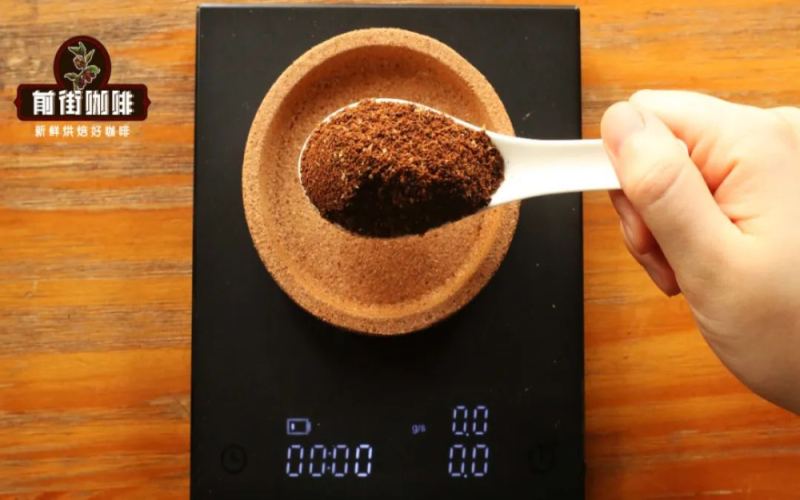
How Many Grams Is a Scoop of Ground Coffee? And How Many Scoops Are in 15 Grams of Coffee Beans? A Practical Conversion Guide
Many friends who are just getting into pour-over coffee, in order to save money, often skip tools like electronic scales and thermometers, and instead use spoons they already have at home to estimate their coffee dose. But spoons vary in size and depth, and the roast level of the coffee beans also affects density, so there is no uniform answer to how many grams a single spoon holds. This time, Front Street Coffee specifically gathered four common types of spoons—a porcelain soup spoon, a small stainless steel spoon, a cupping spoon, and a promotional bean scoop—and separately weighed light roast, medium-light roast, medium-dark roast, and dark roast coffee beans before and after grinding, compiling a complete set of data, and teaching you how to convert, based on roast level, the number of scoops needed for close to 15 grams of coffee, so that even without an electronic scale you can still roughly control your coffee dose. [more…]
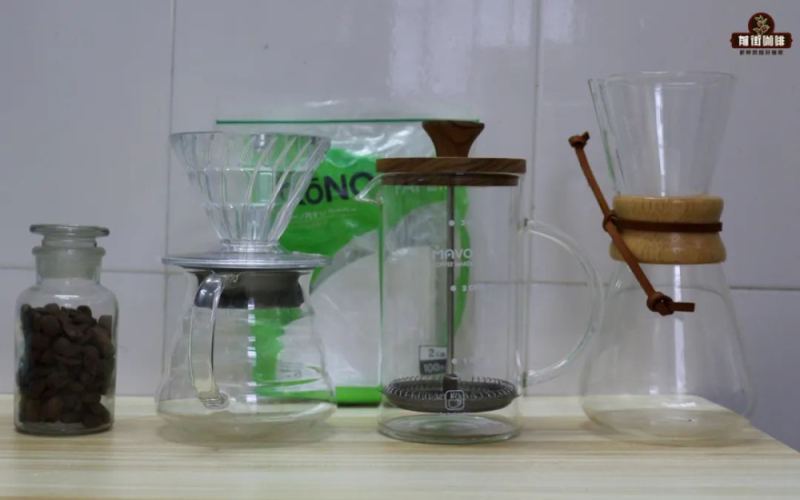
French Press Coffee Full Analysis: A Detailed Guide to Grind Size, Water Temperature, Coffee-to-Water Ratio, and Brewing Steps
Even without professional equipment like a digital scale or thermometer, a French press can still brew great coffee. This article shares Front Street Coffee's practical tips for using a French press in a makeshift environment: how to solve the ratio problem using the markings on the carafe, how to estimate the coffee dose with the coin water-displacement method, how to control water temperature with the boil-and-rest method, and the specific steeping time and plunger operation. It also explains the flavor and mouthfeel characteristics of French press coffee, helping coffee lovers produce consistent results even with limited equipment. [more…]
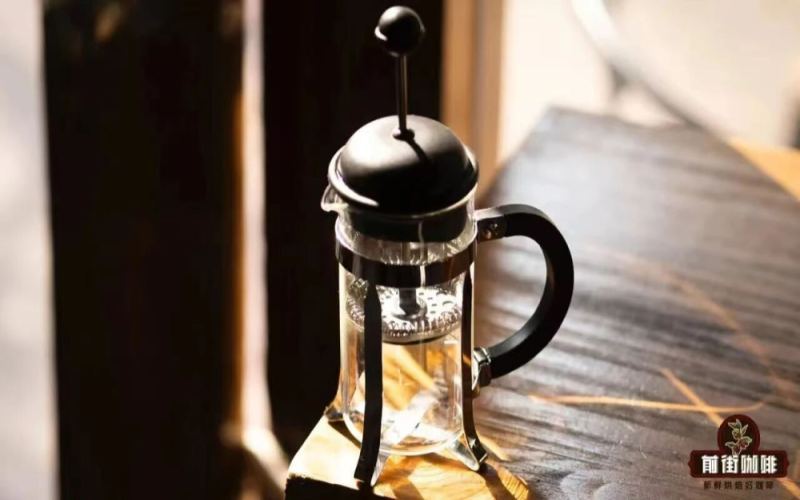
The Complete Guide to French Press Coffee: Bean Selection, Ratios, and Extraction Time Explained
As an immersion brewing tool, the French press is able to fully reveal the richness and intensity of coffee. This article systematically walks through the French press process, from bean selection and grinding to the water-to-coffee ratio and extraction time, and recommends the Front Street Queen's Farm, a yellow bourbon coffee bean from a high-altitude growing region in Brazil. Whether you are a beginner or an enthusiast with some experience, you will find practical tips you can use to make a satisfying cup of French press coffee. [more…]
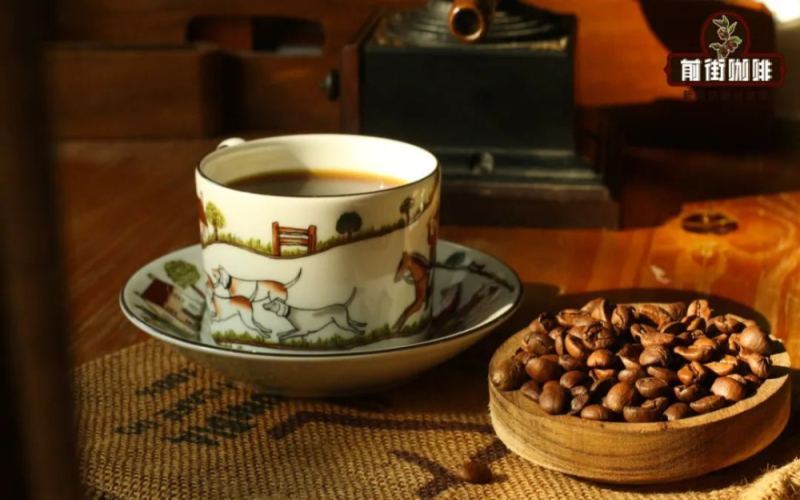
How is the extraction yield of immersion brewing calculated? Concentration measurement and practical demonstration under the Golden Cup theory
In the Golden Cup extraction theory, extraction yield and concentration are the two core metrics for assessing the flavor state of coffee. However, coffee that falls within the ideal range is not necessarily delicious, and coffee outside the range is not necessarily undrinkable—the key lies in how to use these two values to help adjust the brewing plan. From the perspective of Front Street, this article first clarifies the basic definitions and ideal ranges of extraction yield and concentration, then explains in detail how to use two sets of concentration measuring tools, and finally uses the Santa Vini anaerobic natural beans as an example to fully demonstrate the entire process from weighing the liquid weight to plugging it into the formula to calculate the extraction yield. [more…]
Types and Names of Tea Brewing Utensils with Illustrations: A Complete Guide from Kettles to Tea Pets
To brew a good pot of tea, understanding tea ware is the first lesson for beginners. In Lu Yu's tea art culture, predecessors used "TEA WARE" rather than "TEA TOOL" to refer to all utensils for brewing and drinking tea, which shows the pivotal position of tea ware in the way of tea. From the twenty-four items recorded in Lu Yu's "The Classic of Tea" in the Tang Dynasty to the four treasures of tea brewing in Ming and Qing Dynasties gongfu tea, the use of tea ware has long surpassed mere functionality and evolved into a tea ceremony ritual that is repeatedly performed and preserved. This article will systematically sort out the definition of tea ware under the cultural context of Taiwan, and introduce one by one the names, uses, and selection points of common utensils such as the water-boiling kettle, teapot, lidded cup, fairness cup, aroma cup, tasting cup, tea scoop, tea holder, tea strainer, tea knife, and tea pet. Whether you are a beginner just starting out or an enthusiast who wants to refine your tea skills, this comprehensive guide to tea ware can help you build a clear cognitive framework. [more…]
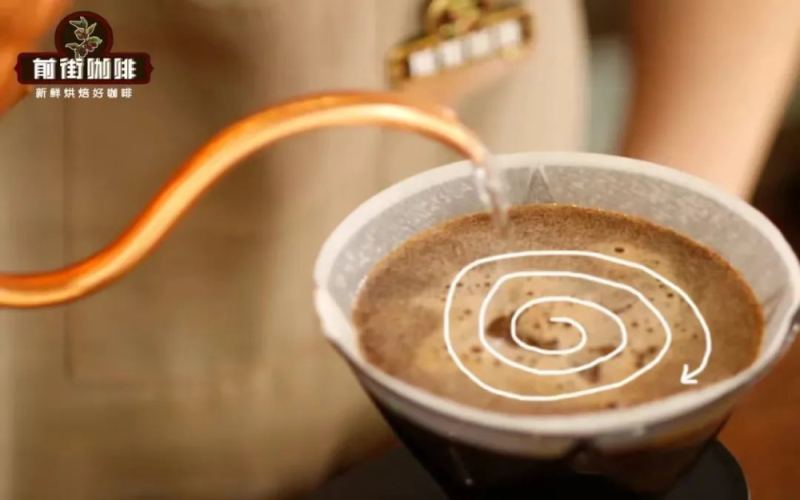
How Much Does the Speed of Circular Pouring in Hand-Brewed Coffee Actually Affect the Extracted Flavor?
Among the many variables in pour-over coffee, pouring technique is often overlooked by beginners, yet it has a significant impact on the final flavor. The speed of the circular pour is essentially equivalent to the amount of agitation applied to the coffee bed, so how much difference can it actually make to the taste of the coffee? Front Street conducted comparative experiments using washed Yirgacheffe and dark-roasted Golden Mandheling, measuring concentration and extraction yield and combining this with actual tasting to verify the effect of different pouring speeds on flavor. This article will present the parameters and results of both experiments in full, and further explore the role that agitation intensity plays when conditions such as grind size are changed. [more…]
How to properly drink coffee grounds? American drip coffee maker usage guide and key operating points analysis
Can you brew coffee grounds directly? How should you drink coffee after grinding the beans? Starting from the daily inquiries received by Front Street Coffee baristas, this article systematically introduces the types of American drip coffee makers, capacity specifications, water and coffee grounds standards, and the complete operating steps. The content covers the history of American coffee, its differences from espresso, how to make iced Americano, and recommendations for choosing coffee beans suitable for American coffee makers. Whether you are a coffee beginner or an enthusiast hoping to easily brew a pot of good coffee at home, this guide can help you get started quickly and master the essentials of using an American drip coffee maker. [more…]
How to brew ground coffee | How to determine the grind size for an American coffee maker? How to make delicious black coffee with an American drip machine?
Customers who frequently come to Front Street Coffee sometimes ask the baristas if there's a lazy-person coffee machine suitable for home use, preferably at a reasonable price. Well then... let's get to know the American drip coffee maker! The American drip coffee maker (Drip Coffee Maker) is currently one of the more commonly used [more…]
American Drip Coffee Maker Operation Guide: A Detailed Explanation of Coffee Grounds Amount, Coffee-to-Water Ratio, and Brewing Process
Want to easily make a cup of hot Americano at home without being put off by complicated brewing steps? A drip coffee maker may be the most effortless choice for beginners. It is intuitive to operate and follows a standard process, and brewing a pot usually takes only five to eight minutes. This article will systematically explain the correct use of a drip coffee maker from the aspects of model capacity, water standards, coffee powder dosage, and usage steps. It will also explain the difference between it and an espresso machine in making Americano, the suitable grind size, and several compatible coffee beans recommended by Front Street Coffee, helping you consistently recreate a smooth cup of hot or iced Americano at home. [more…]

How to Use an American-Style Drip Coffee Maker? Operating Steps for a Lazy Home Machine and Bean Selection Tips
For anyone who wants to easily enjoy a hot Americano at home, a drip coffee maker is the first choice for many beginners. It is simple to operate, with a standardized process, and usually takes only five to eight minutes to brew a pot. Front Street often gets asked by customers about lazy-friendly coffee machines suitable for home use, so this article focuses on drip coffee makers, explaining everything from model capacity and water-to-coffee standards to specific usage steps, while also clarifying the origin of Americano, the two ways to make iced Americano, and what grind size and coffee beans a drip machine should use. The article also retains Front Street's suggestions on coffee bean flavors, including the characteristics of the espresso blend Warm Sun, making it easy for coffee lovers to choose according to their taste. [more…]
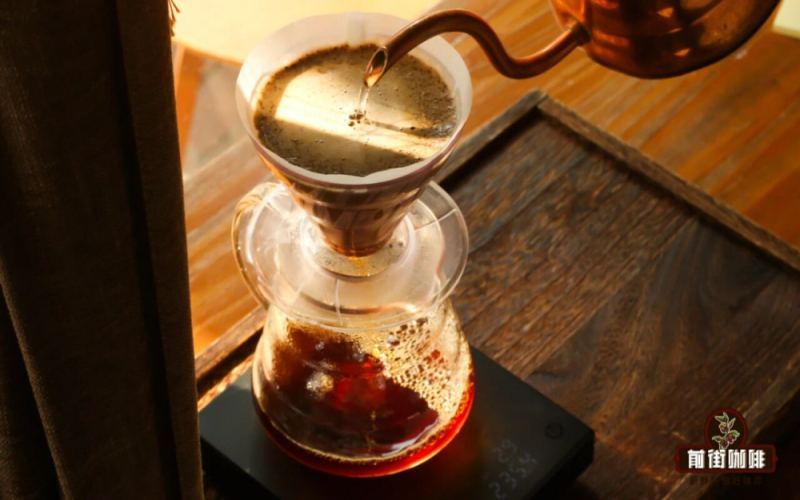
The Extraction Differences Between French Press and Pour-Over Coffee, and the Complete Process for Making Mandheling with a French Press
The French press and pour-over are two distinctly different coffee brewing methods: the former uses immersion extraction to restore the coffee's original flavor, while the latter uses drip filtration to bring out a crisp, layered character. This article compares the two in terms of principles, taste, and difficulty of operation, and uses Front Street Coffee beans as an example to explain in detail the French press brewing steps and practical tips, including grind size selection, recommended coffee-to-water ratio, water temperature control, and how to avoid coffee grounds affecting the taste, helping coffee lovers easily make a rich, full-bodied cup of French press coffee at home. [more…]
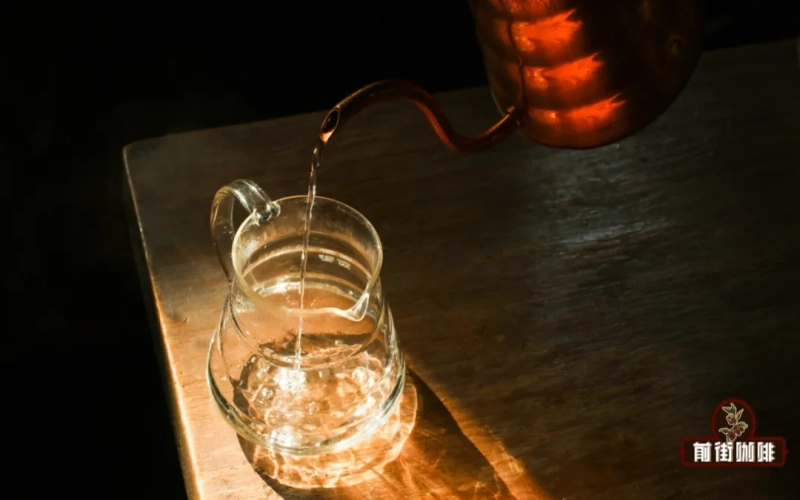
Can repeatedly boiled water still be used for pour-over coffee? Testing TDS changes and extraction flavor differences
When brewing coffee, most people focus on whether the water's TDS is in the appropriate range, but few pay attention to whether repeatedly boiling the hot water affects the coffee's flavor. Some believe that coffee brewed with water that has been boiled multiple times will decline in quality. To verify this claim, Front Street Coffee designed a controlled experiment, using a TDS test pen and a coffee concentration meter, brewing a medium-light roasted Sidamo Hachira 8.0 by immersion in a clever cup, using water boiled for the first through fourth times respectively, and recording the TDS value of the water and the coffee concentration performance each time. This article will present the experimental setup, operating procedure, and data results one by one, to help coffee enthusiasts determine whether repeatedly boiled water is truly unsuitable for brewing coffee. [more…]

French Press Coffee Ratio | How Long to Brew Coffee in a French Press? Is French Press Coffee Suitable for Beginners? Which Coffee Beans Are Suitable for French Press Coffee?
Among city coffee enthusiasts, some love the life ritual of pour-over, the laboratory feel of operating a siphon, while others prefer the convenience and simplicity of a French press. Yet the mystery of each coffee brewing device goes beyond appearance and technique; making coffee is more like a science, and each device has its own way of extracting coffee. [more…]
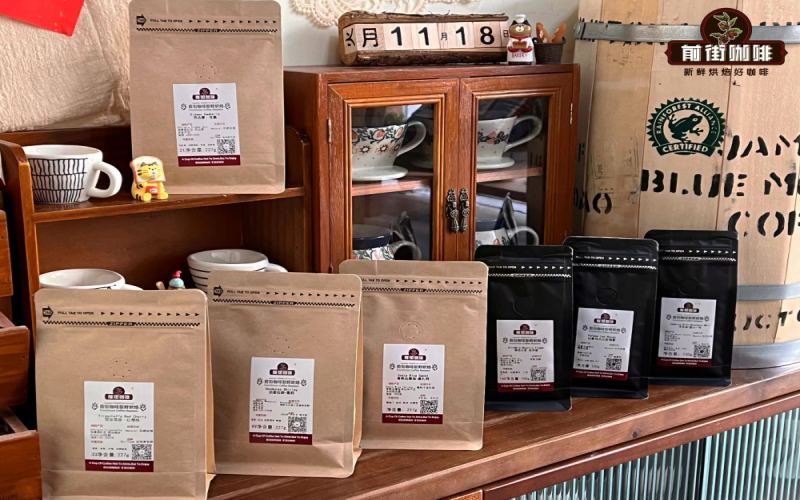
French Press Coffee Bean Recommendations | What roast level of coffee beans is suitable for French press brewing? What coffee flavor characteristics does French press coffee present?
Among city coffee lovers, some enjoy the life ritual of pour-over, the laboratory feel of operating a siphon, while others prefer the convenience and simplicity of a French press. And the wonders of each coffee brewing device go beyond appearance and technique—making coffee is more like a science, and each device has its own way of extracting coffee. [more…]
Barista Essentials: A Complete Guide to COE and SCAA Cupping Scoring Standards, from Clean Cup to Overall
If you want to become a professional barista, cupping is a core skill you can't avoid. This article systematically sorts out the scoring standards of the two major cupping systems, COE and SCAA, analyzing the scoring points and deduction rules one by one, from aroma, cleanliness, sweetness, acidity, mouthfeel, flavor, aftertaste to balance. It also explains in detail the tools needed for cupping, the coffee-to-water ratio, and the operating process, and uses [Front Street Golden Mandheling] as an example to compare the cupping performance of three roasting curves. Whether you are a coffee enthusiast or a practitioner, you can learn from it the scientific method of judging coffee quality and understand the true meaning of COE competition level. [more…]
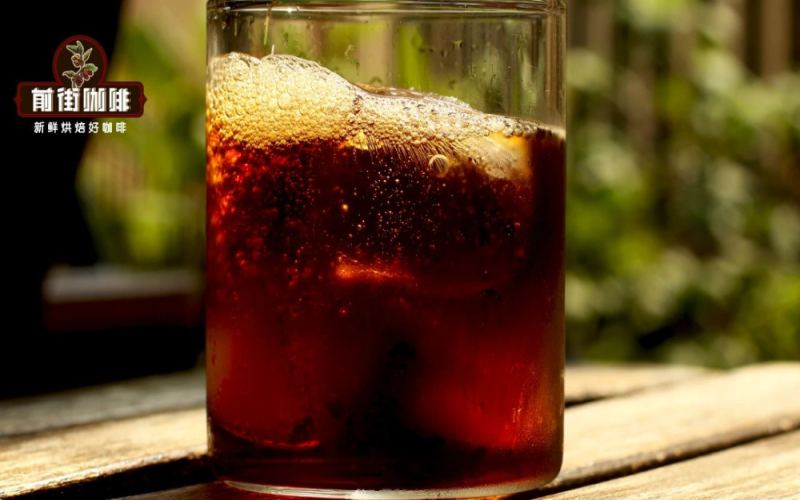
Drip coffee maker guide | How to make delicious Americano with a home American coffee machine? Do you drink coffee? 5 single-origin coffee beans recommended for making sweet, full-bodied Americano
For more specialty coffee knowledge, please follow: Front Street Coffee (Frontsteet Coffee). Customers who often come to Front Street for coffee sometimes ask the baristas whether there is a lazy-person coffee machine suitable for home use, preferably at a reasonable price. Well then… let's take a look at the American drip coffee maker! [more…]
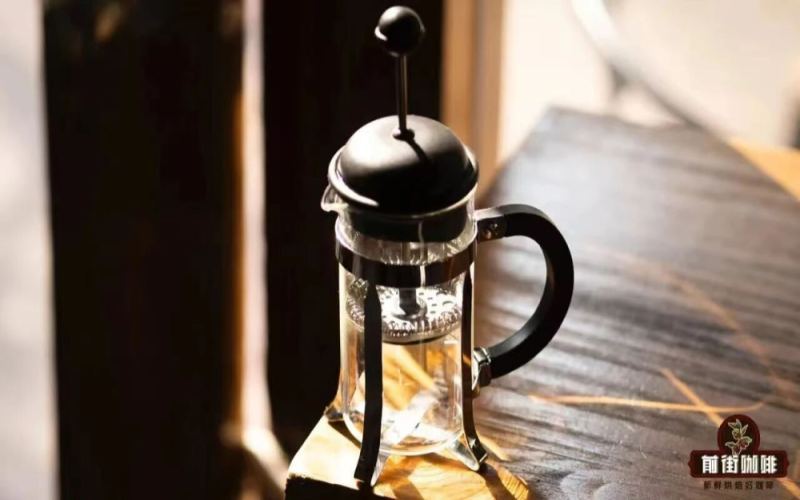
French Press Coffee Brewing Techniques: A Complete Guide to Coffee-to-Water Ratio, Grind Size, and Step-by-Step Method
The French press, also known as a press pot, uses a simple immersion brewing principle to preserve coffee oils and original flavors to the greatest extent, and is hailed as the brewing method closest to cupping. This article explains in detail French press coffee bean selection, grind size requirements, coffee-to-water ratio recommendations, and the complete brewing steps, along with practical operating experience from Front Street Coffee. From bean roast level to water quality selection, from steeping time to pouring timing, it helps coffee lovers easily make a rich, full-bodied cup of French press coffee. [more…]